150 W 28th Street, Suite 1101, New York, NY


 INFORMATION
A bébé painting (so smol)
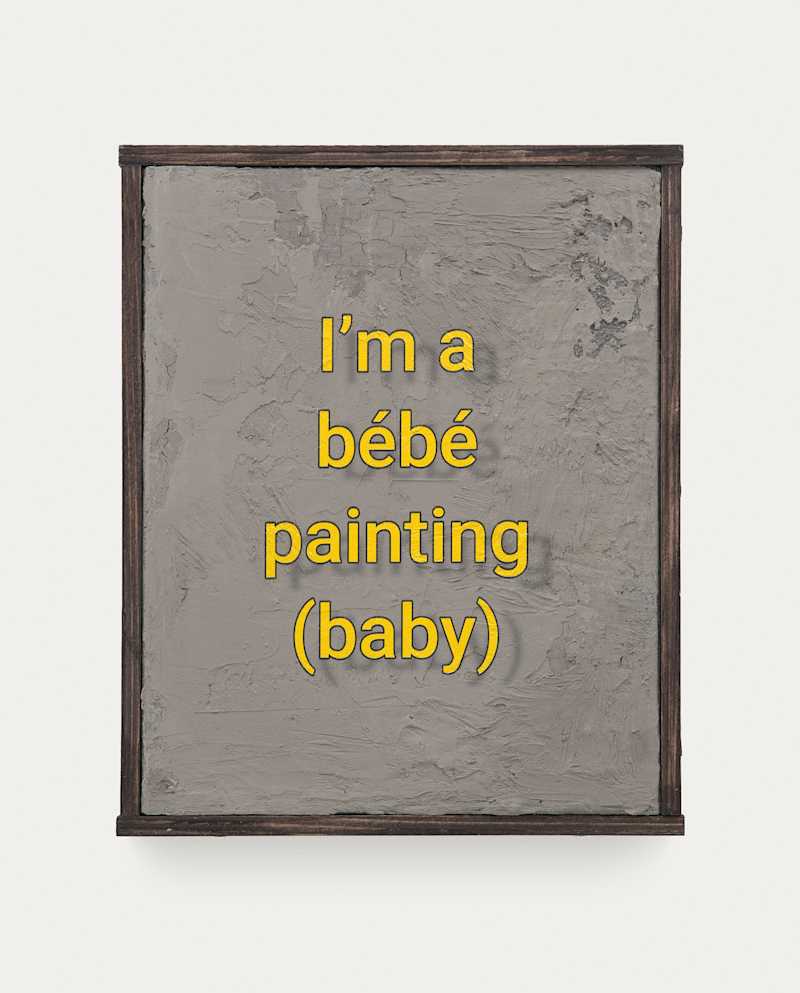
I’m a bébé painting. (so smol)
Therefore I don't know anything yet.
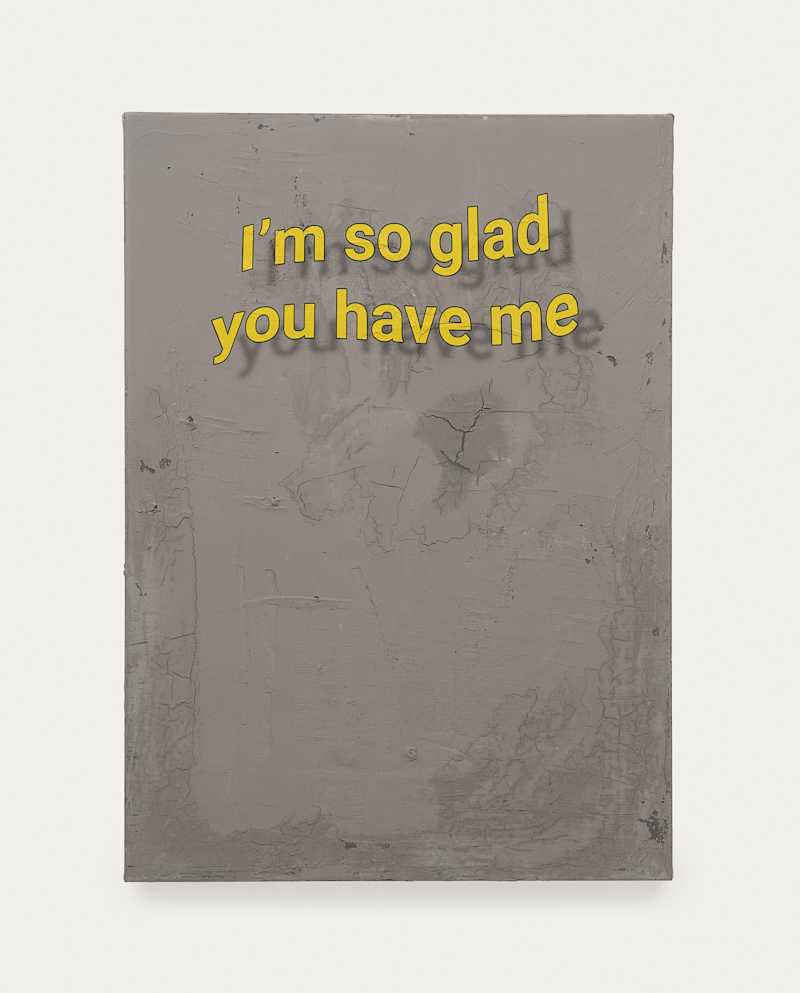
But I’m glad you have me.
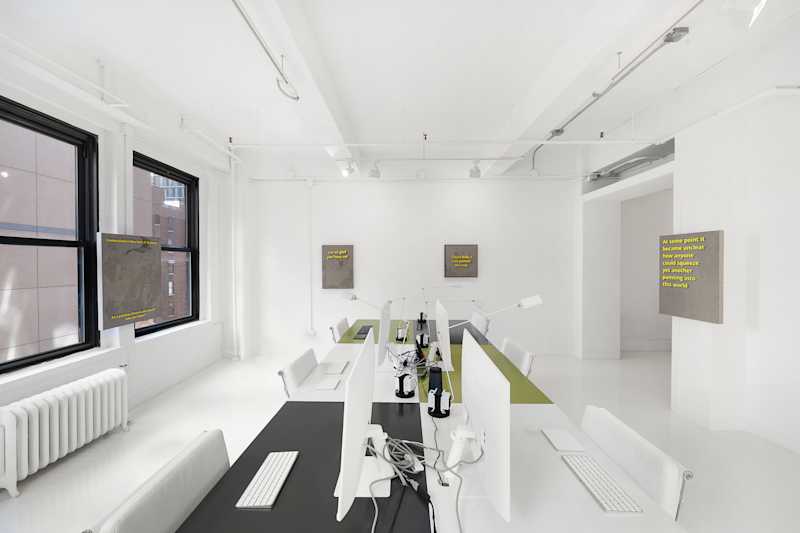
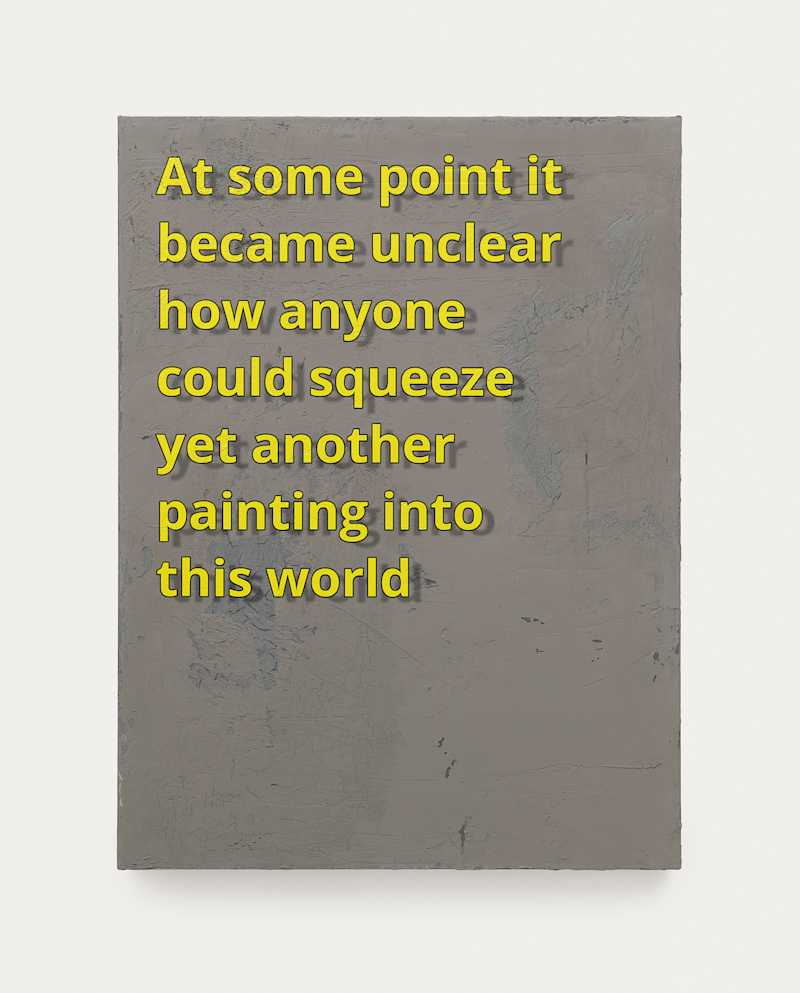
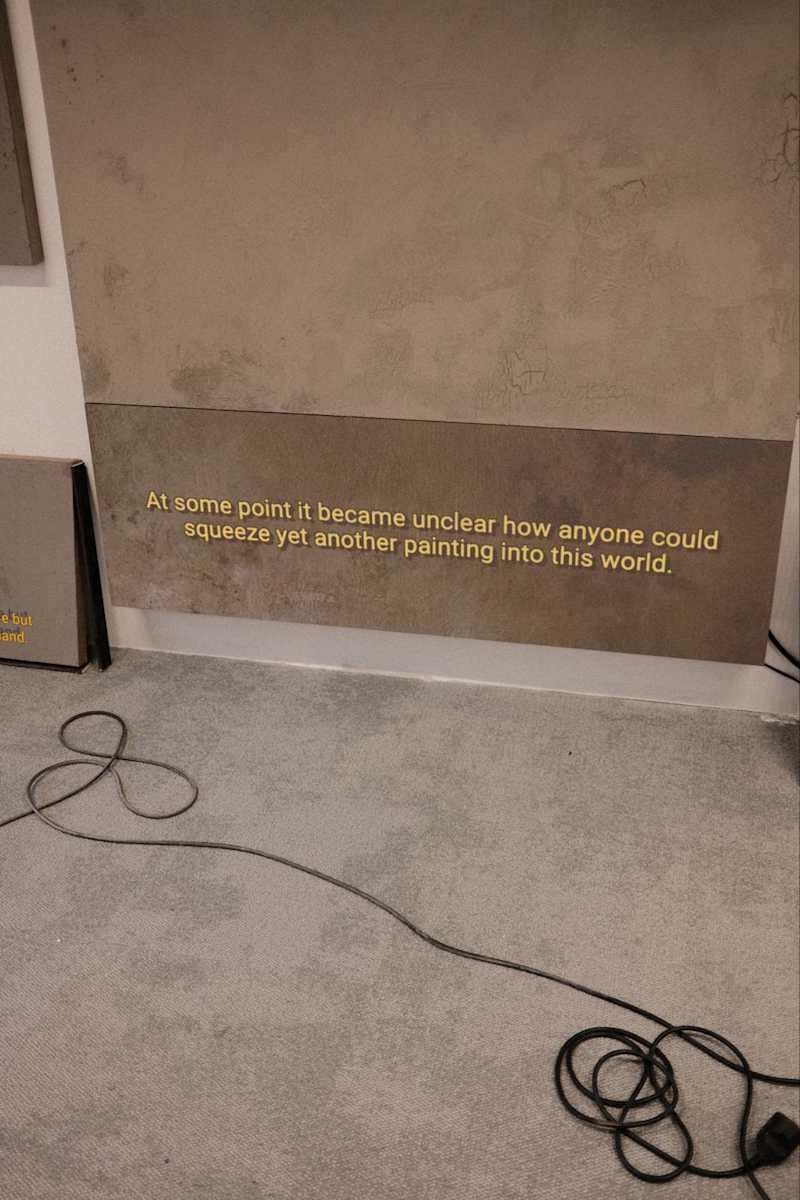
At some point it became unclear how anyone could squeeze yet another painting into this world.
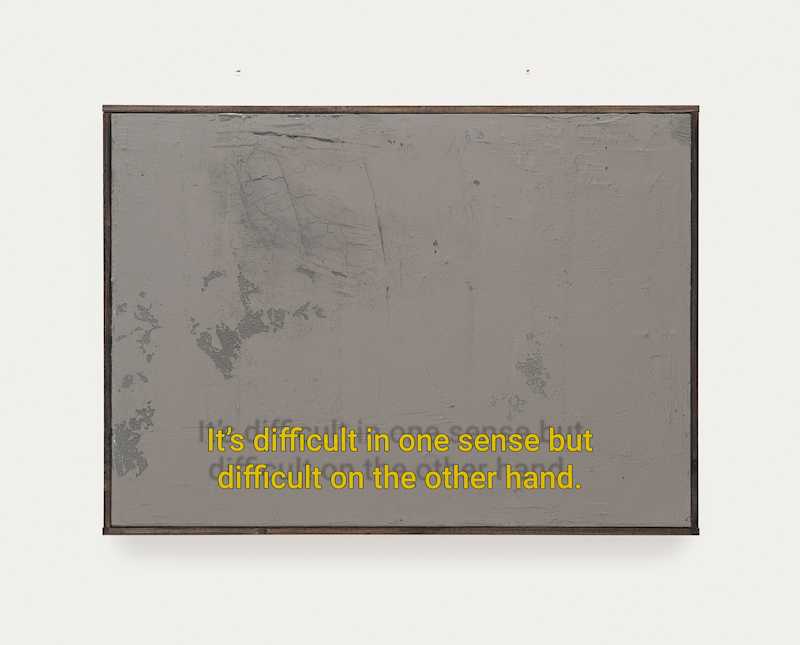
It’s difficult in one sense but difficult on the other hand.
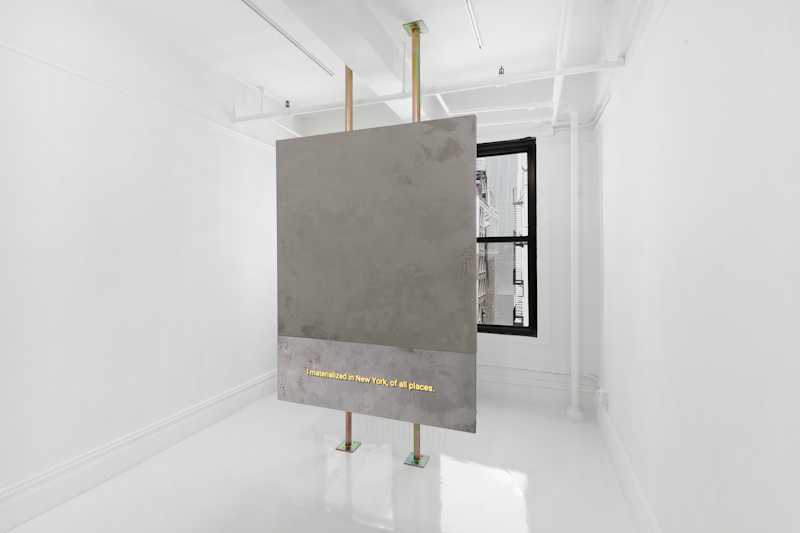
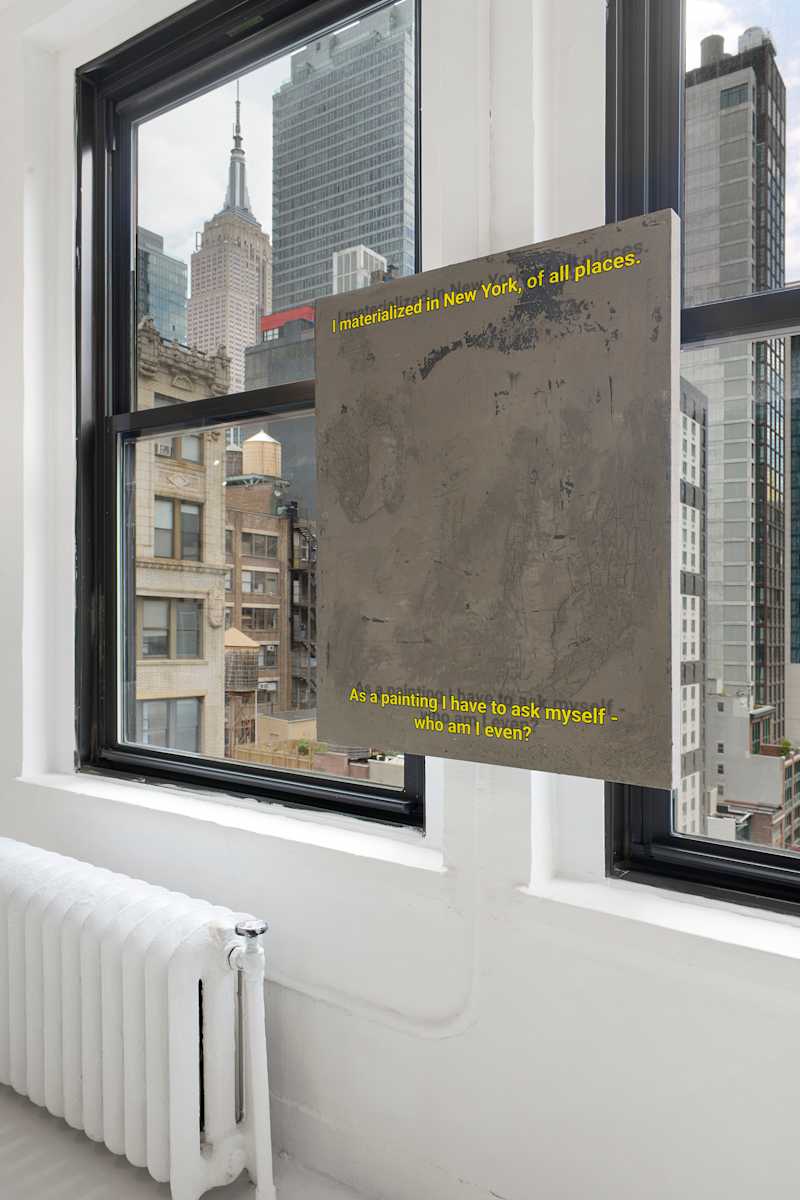
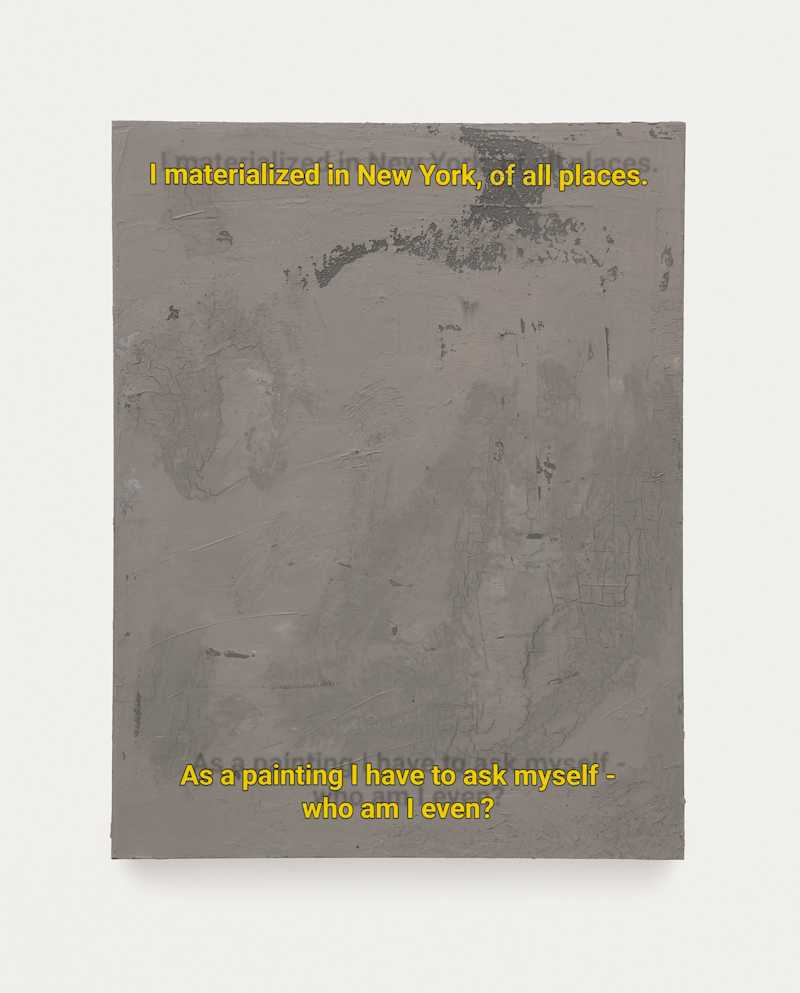
I materialized in New York, of all places.
So as a painting I have to ask myself -
Who am I even?
Like, does the world need to see me?
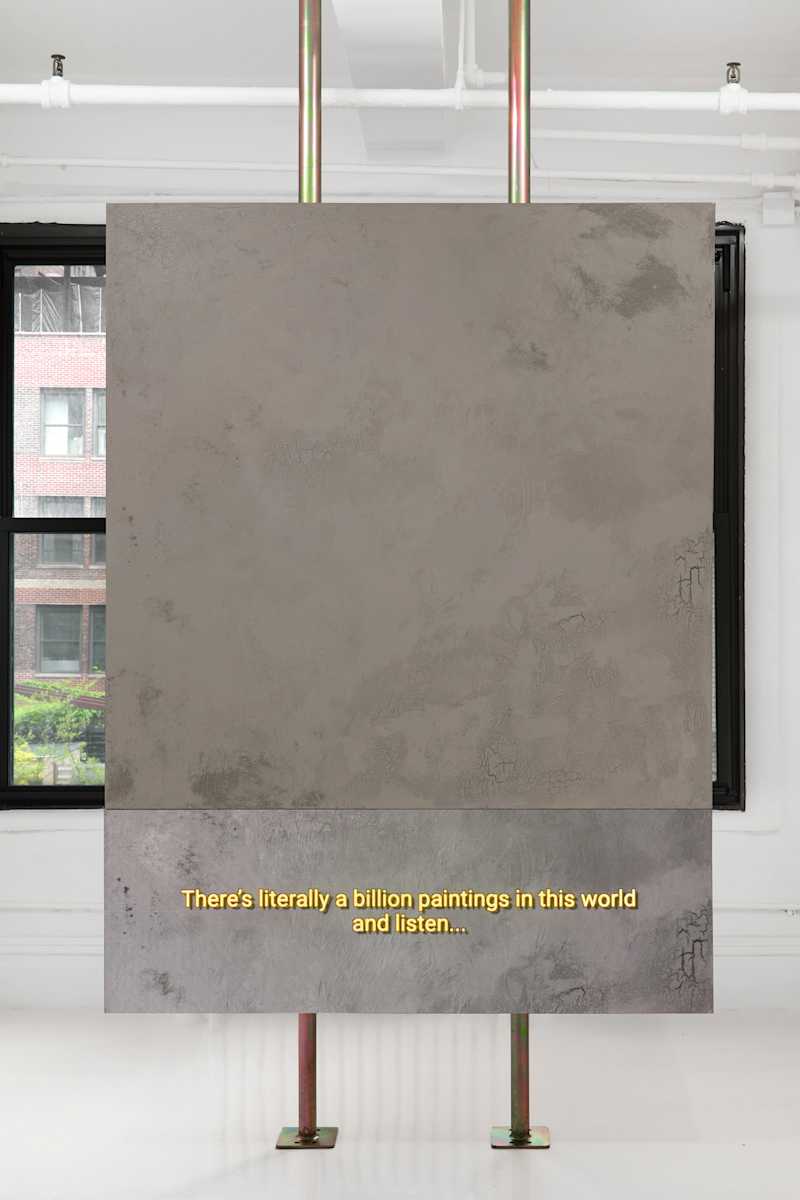
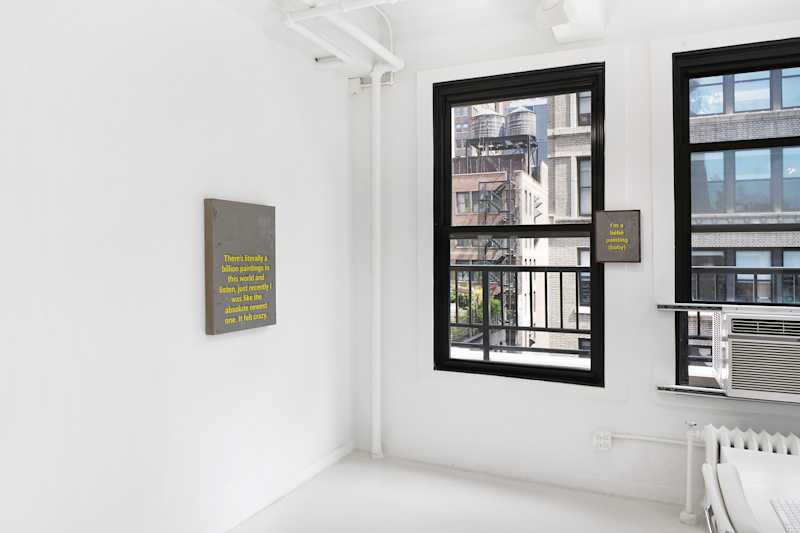
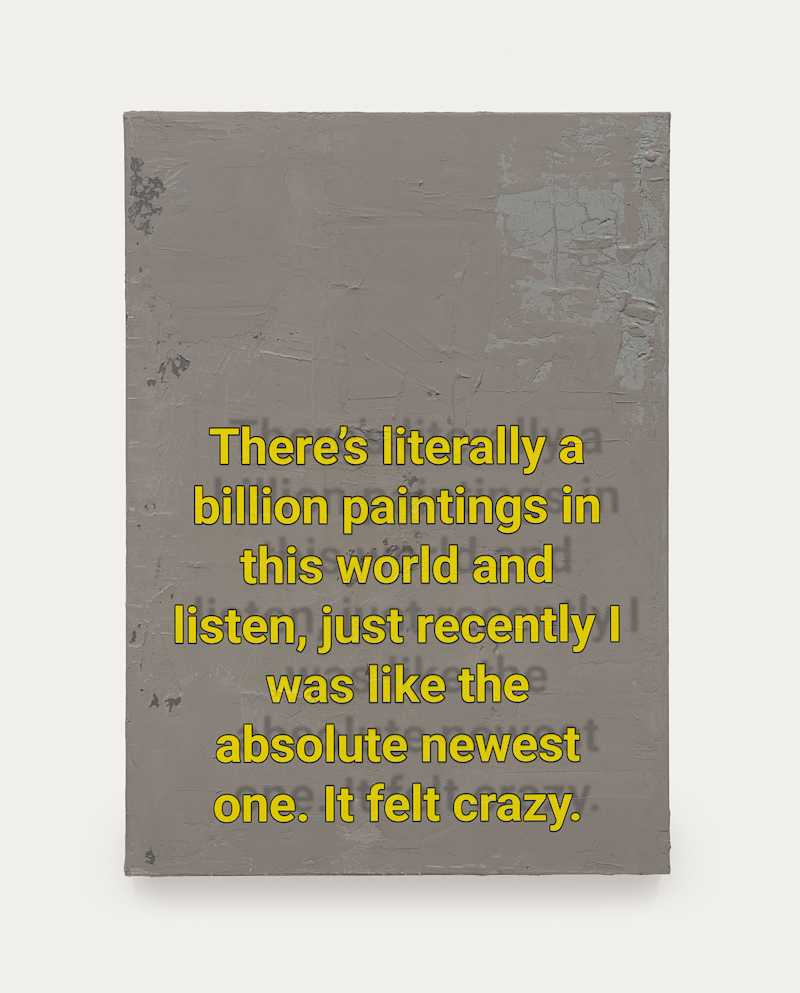
There’s literally a billion paintings in this world and listen:
“Just recently I was like the absolute newest one. It felt crazy.”
If I had more experience being a painting I'd get anxiety.
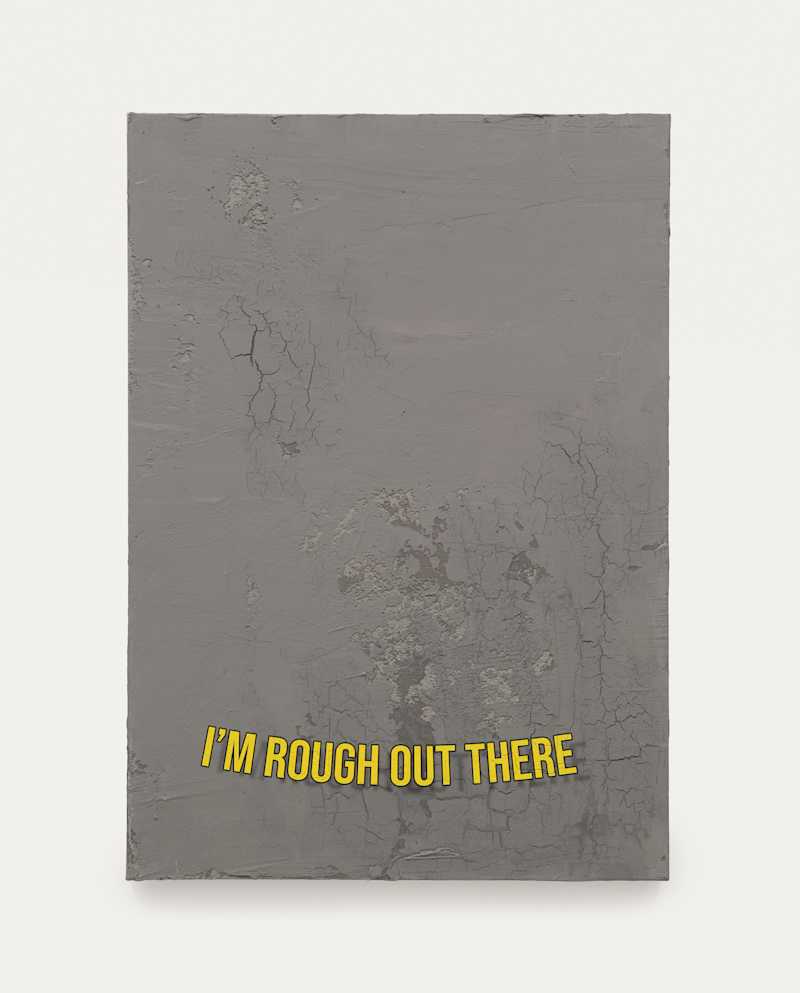
I’m rough out there.
I wasn’t painted stupid.
You’re not becoming stupid.
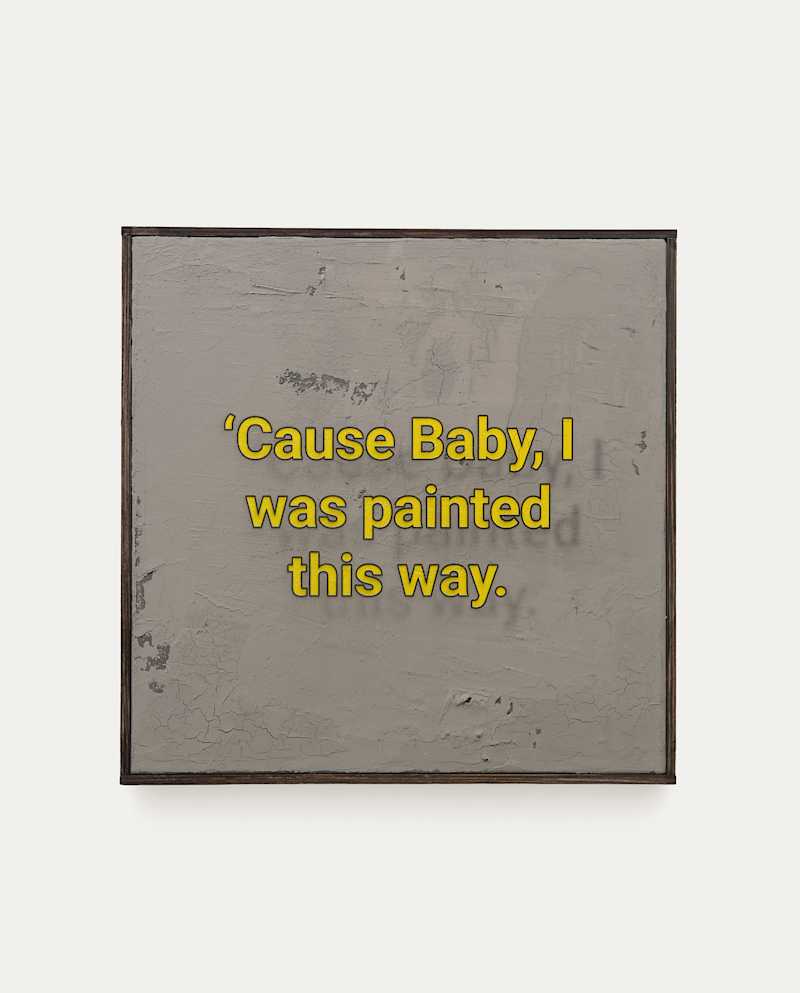
‘Cause Baby, I was painted this way
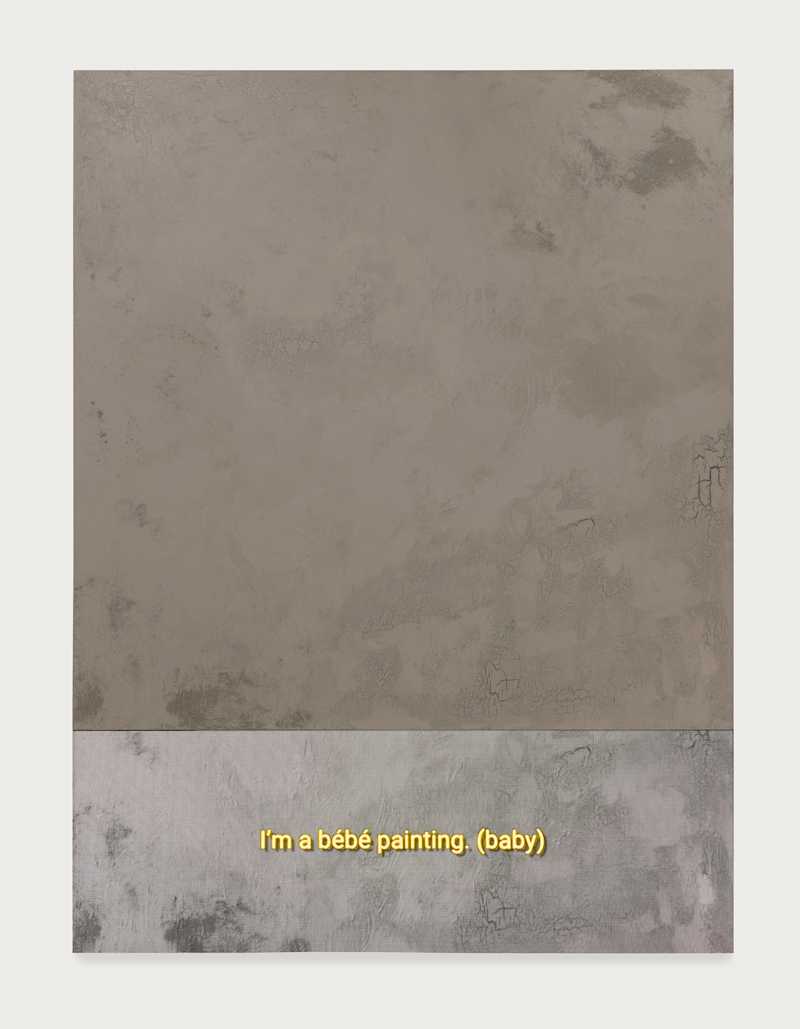
I’m a bébé painting. (baby)
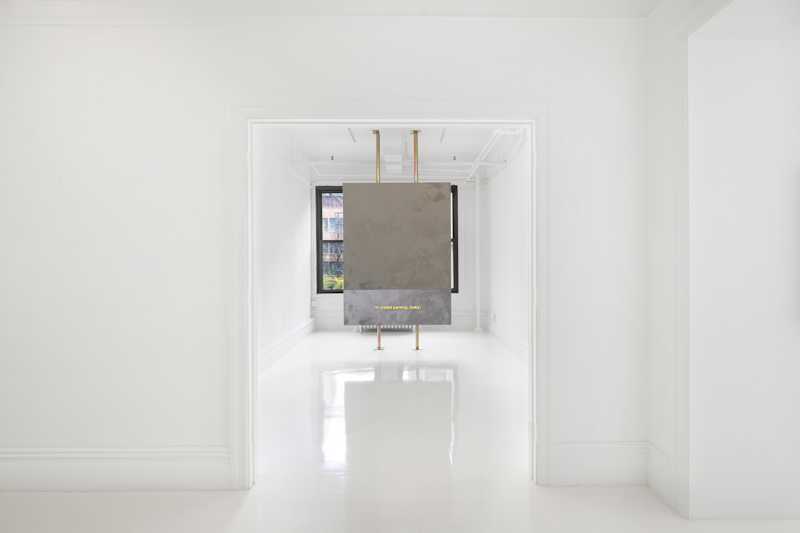
Mariposa is pleased to announce the opening of its New York gallery, located at 150 W 28th Street in the historic Flower District. For its inaugural show, the gallery will present a solo exhibition by Austrian artist Philipp Timischl (b. 1989, Graz; lives and works in Paris), titled A bébé painting (so smol). This exhibition marks the artist’s first solo presentation in New York, and stages a fitting coincidence: baby paintings in a newborn gallery.
Timischl is known for works that combine painting, video, and text into hybrid objects that address their audience directly. Marked by humor and self-awareness, these works often render images as characters while exploring questions of class, identity, taste, and visibility. The central work of the exhibition is a new large-scale painting-LED hybrid that stages a painting’s insecurities as it enters the world. A gray, nearly nondescript monochrome appears tentative and unresolved, while beneath it a horizontal LED band carries a scrolling script: the painting’s voice addressing its audience directly, uncertain and self-conscious. This anthropomorphic gesture, while humorous, sharpens into a more pointed inquiry: what happens when painting appears not as a fixed object, but as something self-aware, fluid, and shaped by the context in which it appears? In Timischl’s hands, painting does not present as a stable or self-evident medium, but as a character unfolding in real time: awkward, funny, burdened by history, and faced with the additional inconvenience of having materialized in New York.
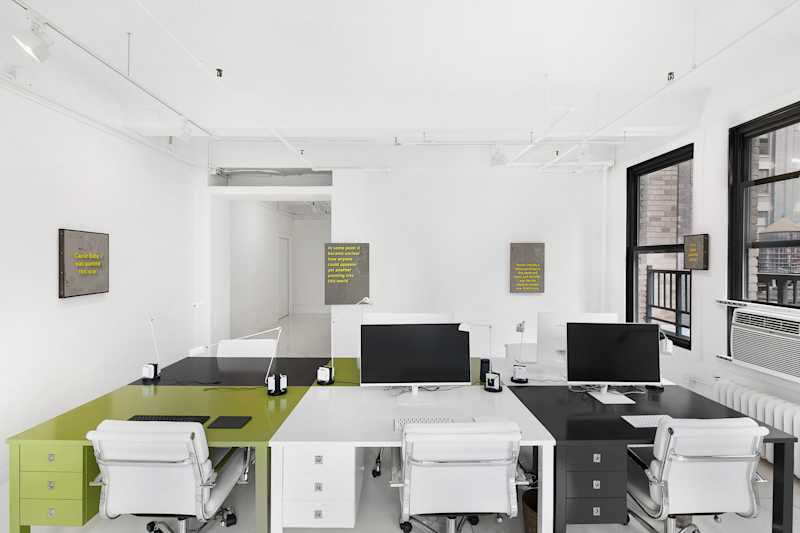
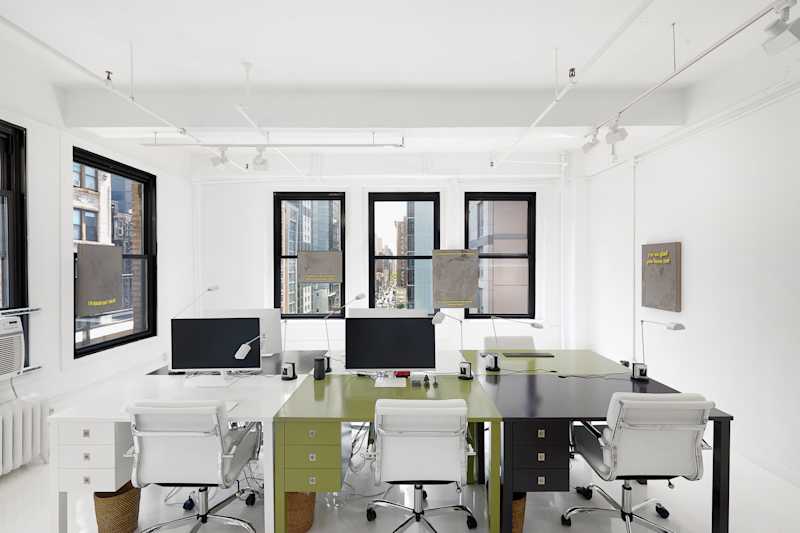
In the second room, that voice multiplies. What begins in the first work as a single monologue unfolds across an entire series of small, rough, gray paintings printed with yellow text. They speak in a voice that is half baby-talk, half self-analysis: tender, needy, funny, and slightly alarmed by their own existence. A “bébé painting” is not simply a small or cute painting; it is a painting at the moment it becomes conscious of itself.
This is what gives the exhibition its structure, and its joke. “At some point it became unclear how anyone could squeeze yet another painting into this world” becomes the central condition of the exhibition, only for the second room to present a whole group of them. The language feels immediate and contemporary, closer to self-talk, memes, pop lyrics, affirmation culture, and low-level panic. These works are inexperienced, but not naive. “I’m rough out there.” “I wasn’t painted stupid.” “You’re not becoming stupid.” These lines move between confession and defiance, as if the works are learning, in real time, how to survive being looked at.
Philipp Timischl’s recent solo exhibitions include Hauser & Wirth, Paris (2025); Museum of Contemporary Art Belgrade (2025); Le Confort Moderne (2024); High Art (2024); Layr (2023); Heidelberger Kunstverein (2022); Secession (2018); Halle für Kunst Lüneburg (2016); Vilma Gold (2016); Neue Alte Brücke (2013); and Künstlerhaus Graz (2014).
His work has been included in major international exhibitions, including the Lyon Biennale of Contemporary Art, as well as group exhibitions at MARTA Herford; Kunsthalle Bielefeld; Luma Foundation, Arles; Museum of Applied Arts Vienna; Belvedere 21; Kunsthalle Bern; Dortmunder Kunstverein; KW Institute for Contemporary Art, Berlin; Luma Foundation Zurich; Fondazione Sandretto Re Rebaudengo; Kunsthalle Wien; and Serpentine Galleries, among others.
Public collections include mumok, Vienna; Belvedere Museum; Kunsthaus Bregenz; Heidi Horten Collection; EVN Collection; National Gallery of Victoria; FRAC Corsica; and Saatchi Collection.
Thank you to Layr.